


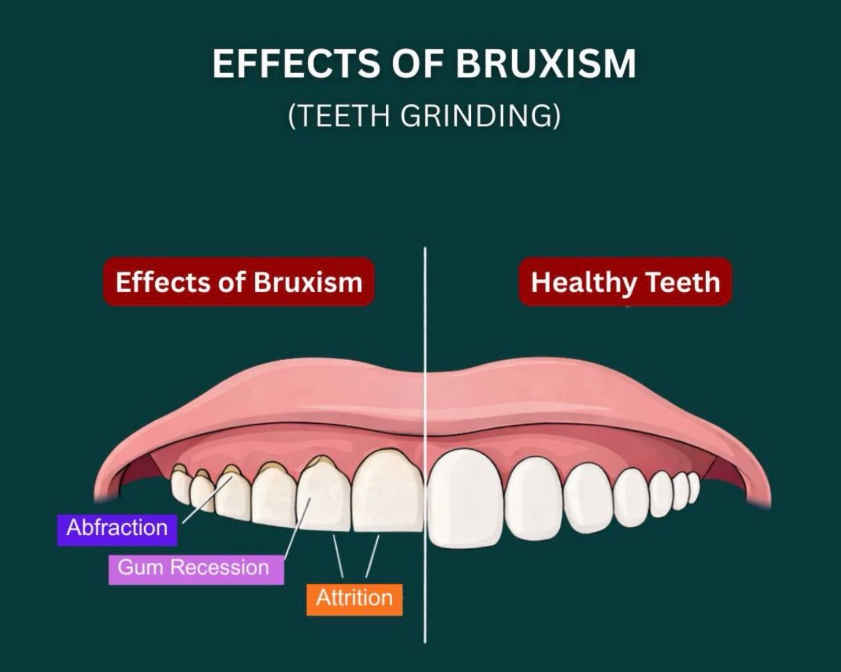
Do you wake up with a sore jaw, sensitive teeth, or frequent morning headaches? You may be grinding or clenching your teeth without realizing it.
Teeth grinding, medically known as bruxism, can occur during the day or while you sleep. While occasional grinding may not cause significant problems, frequent or forceful grinding can gradually wear down your teeth, strain your jaw muscles, and damage existing dental restorations.
At Dublin Metro Dental, we help patients in Dublin, Columbus, and surrounding Central Ohio communities identify signs of teeth grinding and explore personalized options to protect their smiles.
What Is Teeth Grinding or Bruxism?
Bruxism is the involuntary grinding, clenching, or pressing together of the teeth. Some people clench their teeth when concentrating or experiencing stress, while others grind their teeth during sleep and have no idea it is happening.
Because nighttime teeth grinding happens unconsciously, patients may first learn about it during a routine dental examination when their dentist notices unusual patterns of tooth wear.
What Are the Signs of Teeth Grinding?
Bruxism can affect people differently. Some patients experience noticeable discomfort, while others may have significant tooth wear without obvious symptoms.
Common signs of teeth grinding can include:
- Flattened, worn, or shortened teeth
- Chipped or cracked teeth
- Increased tooth sensitivity
- Jaw soreness or tightness
- Tired facial muscles
- Morning headaches
- Pain or tenderness around the jaw
- Damage to fillings, crowns, veneers, or other restorations
- Tooth wear that changes the appearance of your smile
If you regularly wake up with jaw discomfort or notice that your teeth appear shorter or more worn than they used to, it may be worth discussing bruxism with your dentist.
What Happens If You Grind Your Teeth for Years?
Long-term teeth grinding can place considerable pressure on your teeth and supporting structures.
Over time, repeated grinding can gradually remove enamel. Because enamel does not grow back, significant wear can change the shape, length, and appearance of the teeth.
1. Worn and Shortened Teeth
Years of grinding can flatten the biting surfaces and make teeth appear noticeably shorter. In advanced cases, enough tooth structure can be lost to affect both function and appearance.
2. Chipped or Cracked Teeth
Repeated excessive forces can contribute to small chips and cracks. Teeth that already contain large fillings or restorations may also require careful evaluation when signs of heavy grinding are present.
3. Tooth Sensitivity
As protective enamel becomes thinner or tooth structure is damaged, patients may notice increased sensitivity to hot, cold, or sweet foods and beverages.
4. Jaw and Facial Muscle Discomfort
Constant clenching can overwork the muscles involved in chewing. This may contribute to tightness, fatigue, or soreness around the jaw, face, and temples.
5. Morning Headaches
Some people who clench or grind while sleeping wake with headaches, particularly around the temples. Headaches can have many causes, however, so they should not automatically be attributed to bruxism.
6. Damage to Dental Restorations
Grinding forces can also affect dental work. Crowns, veneers, bonding, and fillings can experience additional stress when a patient consistently clenches or grinds.
Can Teeth Grinding Cause TMJ Problems?
Bruxism and temporomandibular disorders can occur together, and clenching or grinding may contribute to jaw muscle discomfort in some people.
Patients may notice symptoms such as jaw soreness, stiffness, discomfort while chewing, or pain around the jaw joint.
However, TMJ disorders can have multiple causes. A dental evaluation is important rather than assuming that every case of jaw pain is caused by teeth grinding.
Why Do People Grind Their Teeth?
There is not always one identifiable cause.
Factors associated with bruxism can include stress or anxiety, sleep-related factors, certain medications, lifestyle factors, and individual jaw or bite characteristics.
Because the cause and severity can differ from person to person, treatment should be based on an individual evaluation.
How Does a Dentist Check for Teeth Grinding?
Your dentist can examine your teeth, bite, jaw, and existing dental restorations for signs that may be consistent with bruxism.
During an examination at Dublin Metro Dental, we may look for:
- Unusual tooth wear
- Flattened biting surfaces
- Chipped or fractured teeth
- Changes in existing restorations
- Areas of tooth sensitivity
- Jaw or facial muscle tenderness
- Other signs that warrant further evaluation
The goal is not only to identify existing damage but also to determine how your teeth can be better protected moving forward.
Can a Night Guard Help With Teeth Grinding?
For some patients who grind or clench at night, a dentist-made night guard may be recommended.
A custom night guard is designed specifically for your teeth and bite. It creates a protective barrier between the upper and lower teeth, which can help protect tooth surfaces and dental restorations from direct grinding forces.
A night guard does not necessarily eliminate the underlying cause of bruxism, but it can be an important part of protecting the teeth from additional wear.
Custom Night Guard vs. Store-Bought Night Guard
Over-the-counter night guards are widely available, but they are not individually designed for your mouth.
A professionally made dental night guard is created from impressions or digital scans of your teeth and is designed to provide a customized fit.
The most appropriate type of appliance depends on your bite, grinding pattern, dental history, existing restorations, and other individual factors. Your dentist can determine whether a night guard is appropriate and which design may work best for you.
Can Teeth Damaged by Grinding Be Repaired?
Depending on the amount of damage, worn or chipped teeth may sometimes be restored.
Treatment options can vary considerably and may include:
- Composite bonding
- Dental crowns
- Porcelain veneers in appropriate cosmetic cases
- Replacement or repair of damaged restorations
- Bite-related treatment when clinically indicated
- More comprehensive restorative treatment for severe tooth wear
Before cosmetic or restorative treatment, it is important to evaluate the forces that contributed to the damage. Simply repairing worn teeth without considering ongoing grinding could place new dental work under the same excessive forces.
When Should You See a Dentist About Teeth Grinding?
Consider scheduling a dental evaluation if you are experiencing persistent jaw soreness, unexplained tooth sensitivity, morning headaches, chipped teeth, cracked restorations, or visible changes in the length or shape of your teeth.
Early identification may help protect natural tooth structure before significant wear occurs.
Teeth Grinding Treatment in Dublin, Ohio
If you are concerned about teeth grinding, worn teeth, jaw discomfort, or nighttime clenching, Dublin Metro Dental can evaluate your smile and discuss treatment options based on your individual needs.
Our dental team serves patients from Dublin, Columbus, Hilliard, Powell, Upper Arlington, Worthington, and surrounding Central Ohio communities.
Whether you need a custom night guard to help protect your teeth or an evaluation of teeth already affected by grinding, the first step is understanding what is happening and developing an appropriate treatment plan.
Schedule an appointment with Dublin Metro Dental to have your teeth and bite evaluated.
Dublin Metro Dental
Dublin, Ohio
(614) MY-SMILE
DublinMetroDental.com
Frequently Asked Questions About Teeth Grinding
How do I know if I grind my teeth while sleeping?
You may notice morning jaw soreness, headaches, sensitive teeth, or changes in the shape of your teeth. In many cases, however, a dentist is the first person to identify characteristic wear patterns during an examination.
Does teeth grinding wear down enamel?
Yes. Persistent grinding can gradually wear away enamel and other tooth structure. The severity varies depending on the frequency and intensity of grinding and other individual factors.
Can teeth grinding cause cracked teeth?
Heavy or persistent grinding can contribute to excessive forces on the teeth and may increase the risk of chips, cracks, and damage to existing restorations.
Will a night guard stop me from grinding my teeth?
A night guard primarily helps protect the teeth from direct grinding forces. It does not necessarily stop the underlying grinding behavior itself.
Can Invisalign fix teeth grinding?
Invisalign is designed to move teeth and correct appropriate orthodontic problems; it is not a treatment specifically intended to cure bruxism. Patients who grind their teeth should be individually evaluated to determine appropriate orthodontic and protective options.
Can worn-down teeth be restored?
In many cases, yes. Depending on the extent of wear and the condition of the teeth, options may include bonding, crowns, veneers, or other restorative treatments. A comprehensive examination is necessary to determine the appropriate approach.
Where can I get a custom night guard in Dublin, Ohio?
Dublin Metro Dental provides dental evaluations for patients experiencing teeth grinding, clenching, worn teeth, and related concerns. After evaluating your teeth and bite, your dentist can determine whether a custom night guard or another treatment approach is appropriate.